
In an era dominated by screens, print design continues to play an important role in how brands communicate. While digital platforms offer speed and reach, print provides something different: permanence, focus and tactile engagement. Rather than competing with digital design, print complements it.
For many organisations, print remains one of the most effective forms of visual communication.
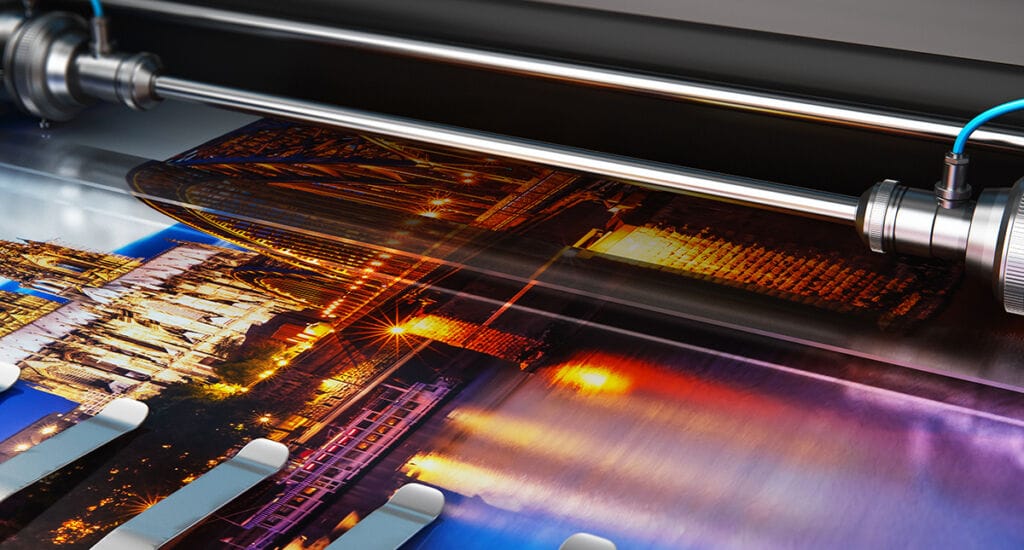
Print Creates a Physical Connection
Print design engages more senses than digital design. The weight of paper, texture of finishes and quality of colour reproduction create a physical experience that screens can’t replicate. This tactile quality often leads to longer engagement and stronger recall.
Printed materials such as brochures, annual reports, publications and posters invite readers to slow down and absorb information without digital distractions.
Clarity Through Layout and Structure
Strong print design relies heavily on layout, hierarchy and typography. Because printed material can’t rely on animation or interaction, the structure of the design must do more of the work. Clear information hierarchy, considered spacing and readable typography are essential.
This makes print design particularly effective for:
- Annual reports and corporate publications
- Editorial and long-form content
- Wayfinding and signage
- Educational and informational materials
When designed well, print can communicate complex information clearly and efficiently.
Print Strengthens Brand Credibility
High-quality print design often carries a sense of authority and trust. Organisations frequently use printed materials for formal communication because they signal care, permanence and professionalism.
Consistent branding across print and digital design reinforces brand identity and ensures messages feel cohesive, regardless of format.
Sustainability and Thoughtful Design
Modern print design has evolved alongside sustainability practices. Responsible paper choices, efficient formats and purposeful print runs mean printed materials can be both environmentally conscious and effective.
This shift has encouraged more thoughtful design producing fewer pieces, designed better, with a clear purpose and longer lifespan.
The Role of Print in Contemporary Graphic Design
Print design is no longer about mass production; it’s about intentional communication. When used strategically, print enhances brand storytelling and provides a meaningful counterbalance to digital content.
In a digital-first world, print stands out precisely because it is physical, focused and carefully considered. For graphic design, that distinction still matters.
If you’re considering how print fits into your broader visual communication strategy, taking the time to assess its purpose and impact is a valuable first step. Thoughtful print design can elevate messaging, strengthen branding and create lasting connections.
Explore how strategic design choices can support clearer, more meaningful communication both on screen and on paper. Call us at Fresco Creative to find out how.