
Graphic design has always been about communication, but the way audiences connect with brands is changing. In a world saturated with content, people are no longer responding to visuals that simply look good, they’re responding to visuals that feel good. Emotion has become one of the most powerful forces in modern design, shaping how brands tell stories, build trust and create memorable experiences. As the industry evolves, designers are increasingly focused on crafting work that resonates on a deeper, more human level.
The Shift Toward Emotion‑Driven Design
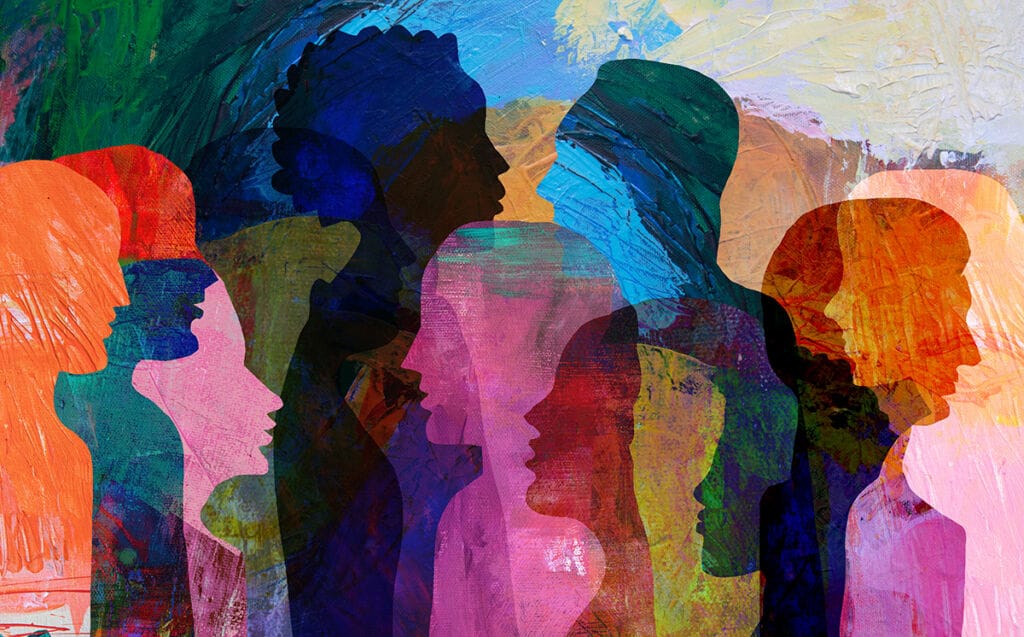
For decades, graphic design prioritised clarity, structure and aesthetics. While these foundations remain essential, they’re no longer enough on their own. Today’s audiences crave authenticity, relatability and meaning. They want brands that speak to their values, reflect their identity and understand their world. Emotion‑driven design taps into this desire by using colour, imagery, typography and narrative to evoke specific feelings. Whether it’s comfort, excitement, nostalgia or empowerment, emotional resonance helps brands stand out in increasingly crowded markets. This shift has elevated the importance of visualstorytelling – not just showing something, but making people feel something.
Why Emotion Creates Stronger Brand Connections
Emotion is memorable. When audiences feel something, they’re more likely to remember a brand, engage with its content and form long‑term loyalty. This is why brands across industries, from education to finance to non‑profits, are investing in design that prioritises human connection.
Designers achieve this through:
- Colour palettes that evoke mood
- Typography that conveys personality
- Imagery that feels relatable and real
- Layouts that guide emotional flow
But the magic lies in how these elements work together. Emotion‑driven design is holistic, intentional and deeply rooted in creative strategy.
The Rise of Experiential Design
Graphic design is no longer confined to static visuals. It now extends into experiences – digital, physical and hybrid. Brands are creating immersive environments that blend design, storytelling and interaction.
Experiential design can take many forms:
- Interactive websites
- Motion graphics
- Environmental signage
- Packaging that feels tactile and personal
- Social campaigns that encourage participation
This evolution reflects a broader industry trend: design is becoming less about what audiences see and more about what they experience. Designers are crafting journeys, not just visuals.
Authenticity as a Design Imperative
As AI‑generated content becomes more common, authenticity has become a defining characteristic of great design. Audiences can sense when something feels generic or mass‑produced. They gravitate toward brands that feel human, intentional and emotionally intelligent.
This is why designers are leaning into:
- Real photography over stock imagery
- Imperfect, hand‑drawn elements
- Honest storytelling
- Inclusive, diverse representation
Authenticity isn’t a trend, it’s a cultural shift. And it’s reshaping how designers approach every project.
The Designer’s Role in an Emotion‑Driven Future
Despite rapid technological change, the designer’s role has never been more important. Emotion cannot be automated. It requires intuition, empathy, cultural awareness and human insight – qualities that define the craft of design.
Designers are becoming:
- Storytellers
- Strategists
- Cultural interpreters
- Experience creators
The future of graphic design is human‑led, emotionally intelligent and deeply connected to the way people live, think and feel. Want to create design that resonates emotionally and strategically? Contact Fresco Creative for your next design project.