
There has always been an artificial divide between art and craft. Art is often celebrated as expressive, emotional and unconstrained. Craft, on the other hand, is seen as technical, disciplined and functional. One is supposedly driven by passion, the other by process. The reality is that the most enduring creative work has never respected that boundary.
Whether it’s architecture, furniture, ceramics, fashion or graphic design, the strongest work emerges when artistic thinking is supported by exceptional craftsmanship. An idea without skill remains an idea. Skill without imagination becomes predictable. It is the tension between the two that creates work with lasting impact.
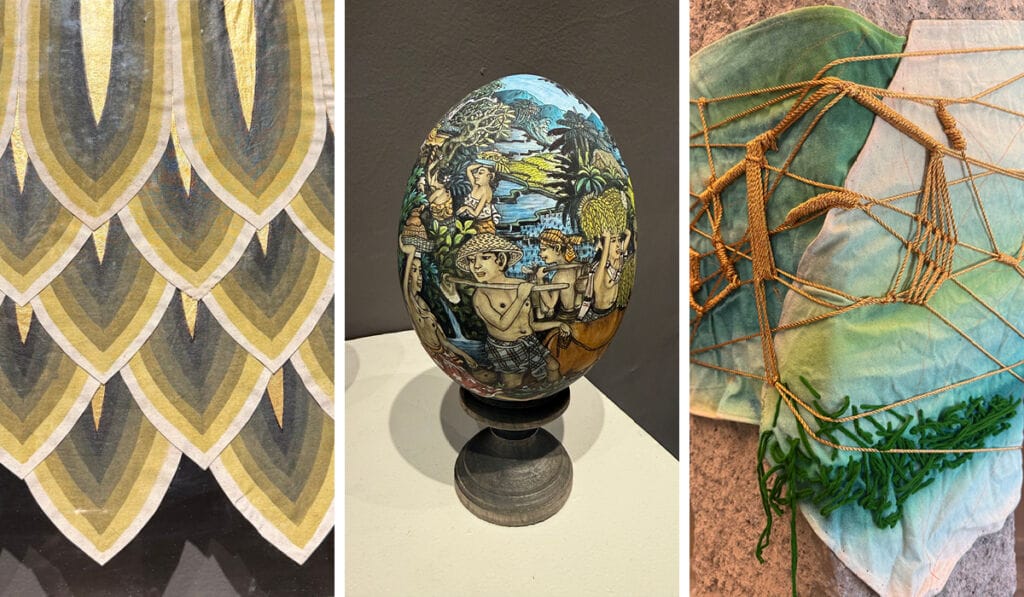
This was a recurring theme we encountered while exploring design communities such as Milan’s Fuori Salone and the Ubud Design Open Studio. Beyond the exhibitions themselves, what stood out was a shared respect for process. Makers weren’t simply producing beautiful objects they were experimenting, questioning materials, refining techniques and allowing ideas to evolve through making. The finished piece was only one part of a much bigger creative journey.
That philosophy resonates deeply with the way we approach graphic design.
Commercial design often gets dismissed as purely functional as though its only role is to communicate information or sell a product. But the best graphic design does far more than that. It shapes perception. It builds trust. It tells stories. It creates emotional connections that influence how people experience a brand long after they’ve looked away.
Achieving that doesn’t happen by accident.
It requires the craft of typography, composition, hierarchy, colour, production and attention to detail. Every margin, every line break, every choice of paper stock or digital interaction contributes to the final experience. These are the disciplines that often go unnoticed, yet they quietly determine whether a design feels effortless or awkward.
But craft alone isn’t enough.
Great commercial design also requires the courage to think differently. It asks designers to challenge assumptions, discover unexpected visual narratives and create work that feels authentic rather than formulaic. This is where art enters the conversation – not as decoration, but as a way of seeing.
As the owner of a creative agency, we’ve learnt that clients rarely come to us because they need another logo, brochure or website. They come because they’re looking for clarity. They want someone to interpret complexity, uncover meaning and communicate it in a way that feels unmistakably their own.
That process is both analytical and intuitive. Strategic and emotional. Crafted and artistic.
Perhaps that’s why the distinction between art and craft feels increasingly outdated.
In a world where AI can generate polished visuals in seconds, technical execution is becoming more accessible than ever. What is becoming more valuable is discernment. Knowing what to say, what to leave out, what deserves refinement and when something feels genuinely human.
Craft teaches patience. Art encourages curiosity. Together they create design that is thoughtful rather than disposable.
For us, that’s where the real value of graphic design lies. Not in choosing between art or craft, but in embracing both. Because when creative thinking is underpinned by technical excellence, commercial design stops simply communicating a message, it creates experiences, builds relationships and leaves a lasting impression. The future of design won’t belong to those who can produce the most content. It will belong to those who care enough to make it meaningful.
If you believe your brand deserves more than generic visuals and quick fixes, start a conversation with Fresco Creative. Together, we can craft design that stands apart – and stands for something.